How to Choose Healthy Vegetable Transplants
Learn how to choose healthy transplants: stocky stems, deep green leaves, white roots, no pests. Avoid root-bound or flowering plants and hold them properly.
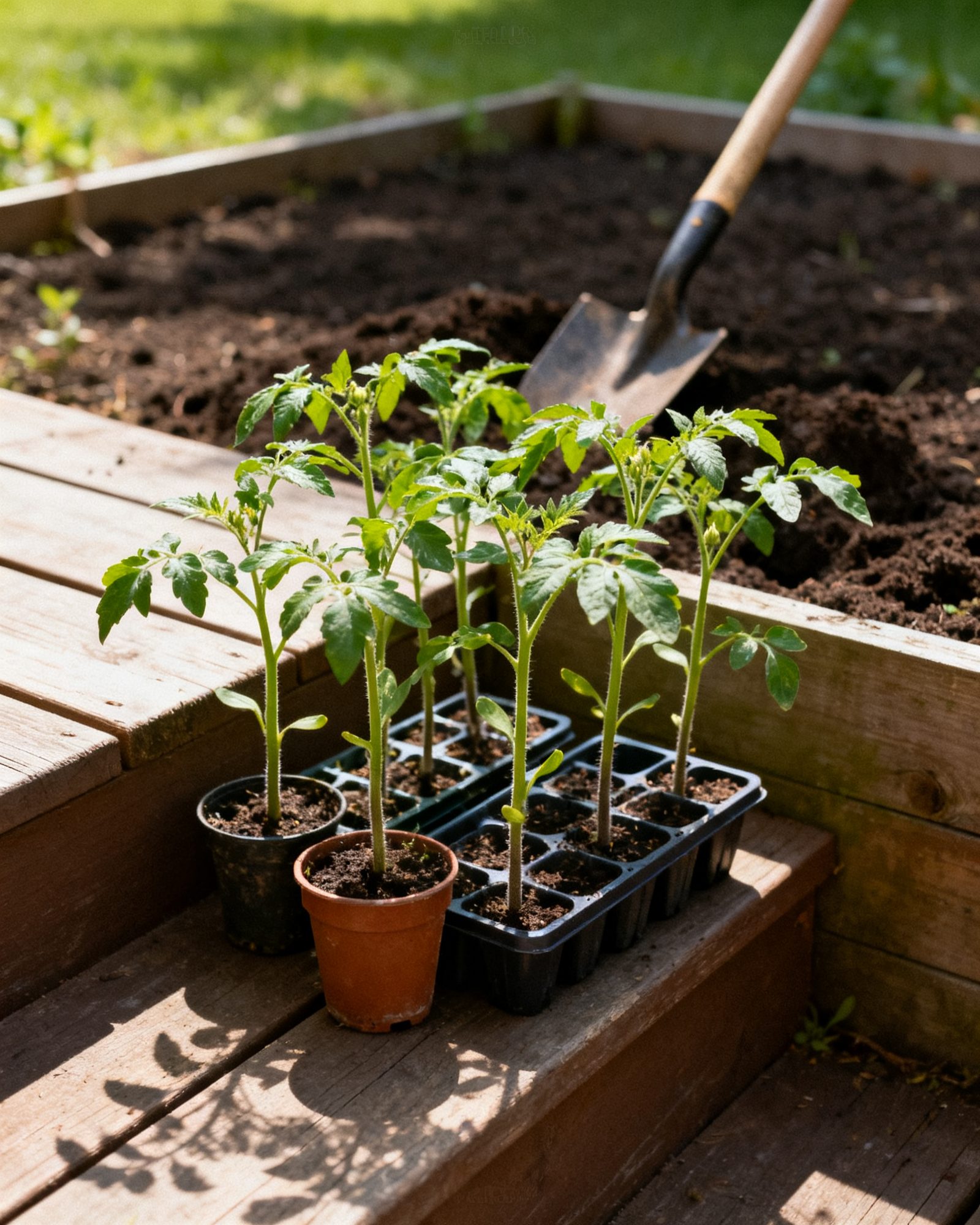
A good vegetable transplant is stocky, about as wide as it is tall, with deep green leaves and white, fibrous roots. Buy that plant, keep it shaded and watered until planting day, and set it out on a cloudy, calm day after hardening it off. The tallest plant on the bench is usually the worst choice, not the best.
What a healthy transplant looks like
Maryland Extension’s description of a good transplant is short and worth memorizing: stocky growth, deep green leaves, and white, fibrous roots. The ideal transplant is about as wide as it is tall. A tomato started 5 to 6 weeks before planting out makes a stocky 8- to 10-inch plant; that is the size to look for, not a vine flopping over the edge of the pot.
Check the plant in this order:
- The stem. Thick and upright, not stretched and leaning toward the light. Leggy seedlings come from too little light, and warmth and crowding make it worse. Tomato and cabbage-family seedlings stretch readily.
- The leaves. Deep green and evenly colored. Yellow lower leaves can mean the plant has been sitting in a wet pot too long; spotted or curled leaves deserve a closer look.
- The roots. Tip the pot and look at the root ball. You want white, fibrous roots, not a thick mat of brown, circling roots. A few roots at the drainage holes are fine; a solid mat is not.
- The pests. Look under the leaves and along the stem for insects, webbing, sticky residue or tiny dark flies around the pots. Fungus gnats are mainly a sign of overwatering, but you do not want to carry them home.
- The flowers. Avoid plants already in flower or setting fruit. That plant is putting energy into flowers and fruit rather than roots and leaves, and it often sits in the garden while others catch up.
Why the tallest plant is usually the wrong one
A tall, stretched transplant has been grown too warm, too crowded or too far from the light. It has a weak stem and often a root system that has already filled the pot. Maryland Extension names sowing too early as a common mistake for the same reason: it gives tall, root-bound plants that do poorly in the garden. Choose the compact plant in the middle of the flat over the tall one at the end.
What root-bound means, and how to spot it
A root-bound transplant has filled its container with roots that circle the inside of the pot. Slide the plant out and look. If the roots form a dense mat or a tight spiral, the plant has been in that pot too long. Some circling is recoverable; a thick, woody mat of circling roots is not worth buying. The same rule applies to plants you raised yourself and left crowded in the flat too long.
Which crops are worth buying as transplants
Not every vegetable benefits from a head start. Some are best sown where they will grow.
| Crop | Buy transplants? | Notes |
|---|---|---|
| Tomato, pepper, eggplant | Yes | Tender; long indoor season. Pepper may take 8 weeks or more from seed. |
| Broccoli, cabbage, cauliflower | Yes | Hardy; transplants go out before the last spring frost. |
| Lettuce and other greens | Yes, or sow direct | Fast from seed; buy only if you want a head start. |
| Cucumber, squash, melon | Sometimes | Can be grown 2 to 4 weeks as transplants without potting up; disturb roots as little as possible. |
| Beans, corn, carrots | No | Do not do well as transplants; sow directly in the garden. |
| Asparagus, potato, garlic, sweet potato | No | Started from crowns, tubers, cloves or slips, not from seed indoors. |
Clemson Extension notes that beans, corn and carrots do not do well as transplants and should be sown directly in the garden. If you are deciding crop by crop, direct sowing vs. transplants lays out the comparison.
When to buy tomato plants
The best time to buy tomato plants is close to your planting date, not weeks before it. Tomatoes are very tender and go out after all danger of frost, when the soil has warmed. Buying early feels efficient and usually is not: the plants sit in a hot car, dry out on a windowsill, or stretch for light while you wait for the weather.
Check your local frost date and the forecast, then buy close to the day you plan to set plants out. A stocky plant 6 to 10 inches tall is ready. If you must hold plants, keep them in bright light, cool but not cold, and water when the top of the mix is nearly dry.
Holding plants until planting day
Garden-center transplants are often raised in a greenhouse and may not be hardened to sun, wind and cold; ask. Give them a gradual introduction before they go in the ground; how to harden off seedlings covers the day-by-day method. In short: start in a shaded, wind-protected spot, increase sun by an hour or two each day, and water less often but never let plants wilt.
Do not put tender seedlings out on windy days or below 45°F. Bring cool-season crops such as lettuce and cabbage in if a freeze is forecast, and warm-season crops such as tomato and pepper in if the night will drop below 50°F. Cucumbers and melons stop growing if hardened too severely and can stay out overnight only if it will not fall below 50°F.
If planting day is still some days away, keep the plants in a bright spot, turn them occasionally so they do not lean, and check moisture daily. Do not feed them heavily while they wait.
Planting day: the sequence
- Water the plants several hours before planting.
- Choose a cloudy, calm day if you can.
- Dig a hole large enough for the root mass.
- Set the plant at the right depth. Tomatoes can be set deeper than they grew; plant so only two or three sets of true leaves show, and avoid setting the root ball deep into cold soil.
- Firm the soil around the roots.
- Water in with a weak liquid fertilizer at label dilution.
- Shade and shelter the new transplants for a few days with baskets, pots or floating row cover.
Biodegradable pots can go in the ground, but remove the base and any rim above the soil line; an exposed rim wicks water away from the roots. The full sequence, crop by crop, is in transplanting seedlings into the garden.
What goes wrong
Buying too early. The plants wait indoors, stretch, and sometimes flower before they reach the garden. Buy close to your planting date.
Leaving plants in a hot car. Even a short stop can overheat a flat. Go straight home, or keep the plants with you.
Choosing the tallest plant. Tall usually means leggy and root-bound. Choose stocky and wide.
Skipping the roots. A plant that looks fine above ground can have a solid mat of circling roots below. Always slide the pot off and look.
Buying flowering plants. A transplant already in flower has less energy for root growth and often stalls after planting.
Setting out without hardening off. Greenhouse-grown plants burn in full sun and check in wind. Hardening off matters most for cabbage, broccoli and cauliflower; it matters less for warm-season transplants set out after all danger of frost into soil above 60°F.
Overdoing the hardening. Cauliflower can form thumb-sized heads and stop if hardened too severely. Follow the gradual schedule rather than pushing plants hard.
Planting into cold soil. Pepper set out before the soil reaches 65°F will “just sit there.” Tomato roots dislike cold soil; black plastic laid 2 to 3 weeks before planting warms it.
Crowding at planting. Follow seed-packet spacing. Squeezing plants closer causes disease and lowers yield.
Ignoring the forecast. Frost dates are past averages, not forecasts. Check the forecast before setting out tender plants, and ask the local Cooperative Extension office for local dates.
A quick checklist for the garden center
| Check | Good sign | Warning sign |
|---|---|---|
| Shape | About as wide as tall | Tall, leaning, stretched |
| Stem | Thick, upright | Thin, weak |
| Leaves | Deep green, even color | Yellow, spotted, curled |
| Roots | White, fibrous | Brown, circling mat |
| Pests | None visible | Insects, webbing, sticky residue |
| Flowers | None | Flowers or small fruit |
| Pot | Roots just reaching the edge | Roots solid at drainage holes |
A final note on timing: after proper hardening, tomato plants can usually tolerate a light, unexpected frost with little damage, but that is a fallback, not a plan. Set tender crops out when the soil and the forecast agree, and keep the row cover handy for the first few days.
Common questions
How do I know if a transplant is root-bound?
Slide the plant out of its pot and look at the root ball. White, fibrous roots that just reach the edge are fine. A dense mat or tight spiral of roots means the plant has been in the pot too long and will struggle to establish.
Should I buy tomato plants that already have flowers?
Where there is a choice, no. A transplant already in flower is putting energy into flowers rather than roots and leaves and often stalls after planting. Choose a stocky, deep green plant with no flowers or fruit.
When is the best time to buy tomato plants?
Close to your planting date, not weeks before it. Tomatoes are very tender and go out after all danger of frost when the soil has warmed. Buying early usually means holding plants indoors, where they stretch and dry out.
Can I plant garden-center transplants without hardening them off?
They will do much better if you harden them off first. Start in a shaded, wind-protected spot and increase sun by an hour or two each day. Do not put tender seedlings out on windy days or below 45°F.
Which vegetables should I not buy as transplants?
Beans, corn and carrots do not do well as transplants and should be sown directly in the garden. Asparagus, potato, garlic and sweet potato are not raised as seedlings at all; they are started from plant parts such as crowns, tubers, cloves and slips.
Read next
Direct Sowing vs. Transplants: Which Crops Go Where
Learn which vegetables to start indoors and which to direct sow, with a crop-by-crop table, soil temperature limits, and mistakes that set plants back.
Hardening Off Seedlings: A Gradual Move to the Garden
Hardening off takes 5 to 14 days by Maryland Extension or two to three weeks by Clemson. Learn the schedule, temperature limits and mistakes to avoid.
Protecting Transplants from Frost and Cold Nights
How to protect newly planted transplants from late frost and cold nights: row cover, cloches, cold frames, soil warming, and the mistakes that set plants back.