Hardening Off Seedlings: A Gradual Move to the Garden
Hardening off takes 5 to 14 days by Maryland Extension or two to three weeks by Clemson. Learn the schedule, temperature limits and mistakes to avoid.
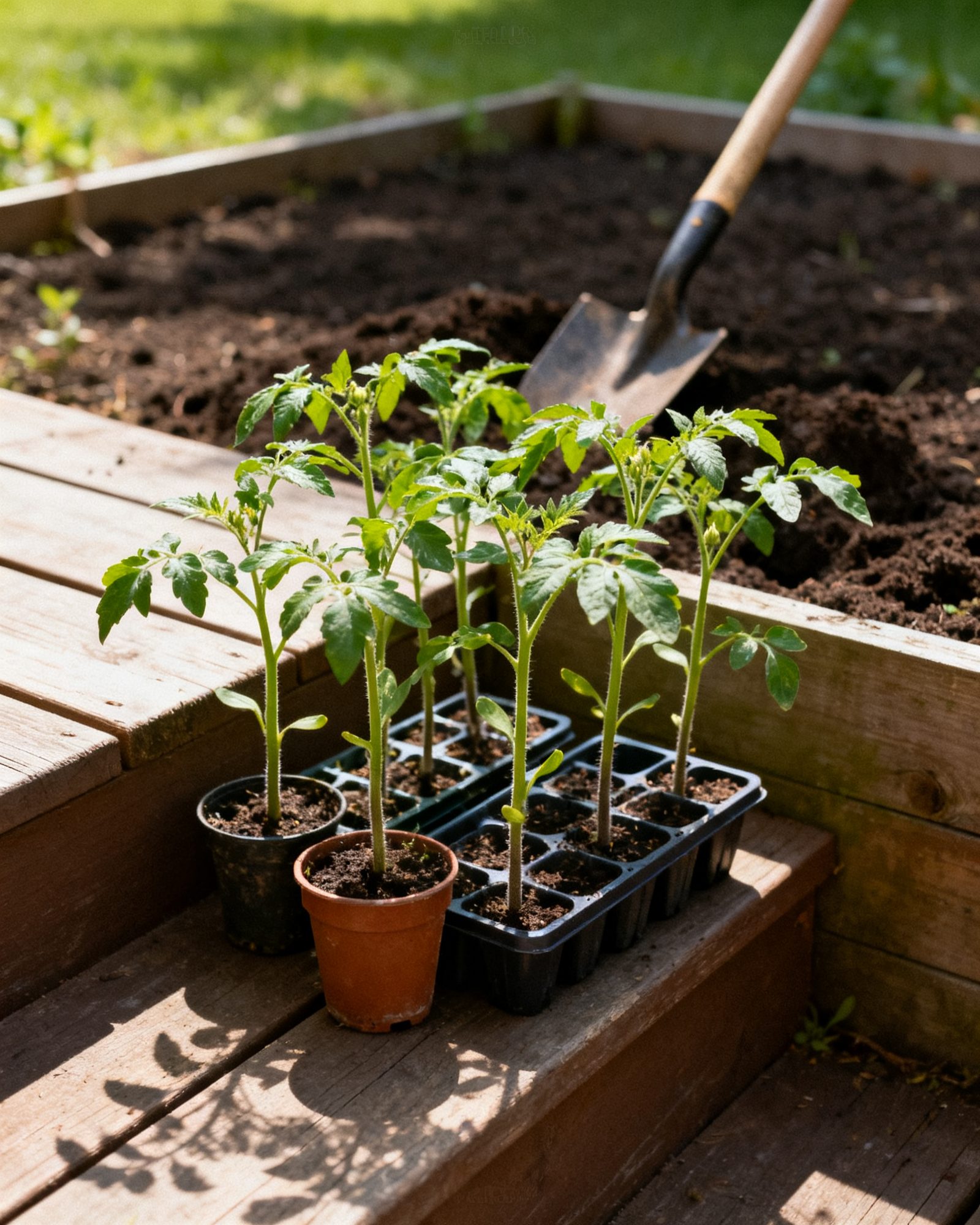
Hardening off is the step that turns a soft, indoor-grown seedling into a plant that can stand sun, wind and cool nights in the garden. It works by exposing plants to those conditions a little at a time over days, not all at once. Maryland Extension puts the process at 5 to 14 days depending on the crop, beginning 1 to 2 weeks before planting out. Clemson Extension starts once plants are about three inches tall and continues for two to three weeks. Either schedule works if you move gradually and watch the weather.
What hardening off actually changes in a plant
A seedling raised under lights on a shelf has never felt real sun or moving air. Its leaves are thin, its stems are soft, and its roots sit in a warm, even mix. Set it out in the garden on a bright, breezy afternoon and the leaves can scorch, the stem can bend or break, and the plant may stall. Hardening off builds thicker leaf tissue and sturdier stems, and it lets the plant adjust its water use before it has to compete in soil.
It is not the same as transplanting. Hardening off happens first, in a sheltered spot near the house; the move into the garden bed is a separate step, covered in transplanting seedlings into the garden.
How long to harden off seedlings
The two extension schedules simply differ. Maryland Extension describes a 5- to 14-day period that depends on the crop, started 1 to 2 weeks before the planned planting date. Clemson Extension describes a two- to three-week process that begins when the plants are about three inches tall. In practice, start earlier for crops that go out into cool spring weather and later for warm-season plants that will not go out until the soil has warmed.
| Crop group | Hardening notes |
|---|---|
| Cabbage, broccoli, cauliflower | Hardening off matters most for these; they go out into cool weather and need gradual exposure |
| Lettuce and other cool-season crops | Bring them in if a freeze is forecast |
| Tomato, pepper, eggplant | Bring them in if the night will drop below 50°F |
| Cucumber and melon | Stop growing if hardened too severely; stay out overnight only if it will not fall below 50°F |
Warm-season transplants set out after all danger of frost, into soil above 60°F, need less hardening than early cool-season crops. The plants are going into kinder conditions, so the transition is gentler.
A day-by-day hardening off schedule
There is no single calendar, but the shape of the routine is the same. Work in this order:
- Start in shade and shelter. Set plants outdoors in a shaded, wind-protected spot for part of the day. A porch, the north side of a building or under a tree works.
- Add sun by an hour or two a day. Each day, move them into a little more direct sun than the day before. Watch the leaves; pale or bleached patches mean too much sun too soon.
- Stretch the time outside. Leave them out longer each day until they are spending the day outdoors and then, for warm-season crops, nights above 50°F.
- Water less often, but never let plants wilt. Outdoor air and sun dry containers faster than a shelf does, so check the mix daily. Water when the top is nearly dry.
- Keep them out of wind and cold. Do not put tender seedlings out on windy days or below 45°F.
A cold frame is an excellent place to harden off, because the lid can be opened a little more each day and closed at night. If you use one, watch the temperature inside on sunny days; a closed frame heats fast.
Hardening off tomatoes
Tomatoes are the crop most gardeners ask about. They are very tender and go out after all danger of frost, when the soil has warmed. Following Maryland Extension, start hardening them 1 to 2 weeks before the planting date, using the shaded-spot method above. Bring them in if the night will drop below 50°F. After proper hardening, Maryland Extension notes that tomato plants can usually tolerate a light, unexpected frost with little damage. Brushing the tops by hand while they are indoors makes them stockier before they ever go out.
Cool-season crops and cold nights
Lettuce and cabbage-family crops tolerate more cold, but not unlimited cold. Bring cool-season crops in if a freeze is forecast. Cucumbers and melons are the opposite: they stop growing if hardened too severely, so keep them out overnight only when the night will stay at or above 50°F. For more on judging those nights, see protecting transplants from frost and cold nights.
Which crops need hardening off most
Hardening off matters most for cabbage, broccoli and cauliflower. These go into the garden early, into cool soil and cool air, and a sudden move can set them back badly. The details for those crops are in broccoli, cabbage and cauliflower seedlings.
It matters less for warm-season transplants set out after all danger of frost into soil above 60°F. That does not mean skip it; it means the schedule can be shorter and the conditions are less punishing.
What goes wrong during hardening off
Full sun on day one. This is a common mistake. Leaves that have only known grow lights scorch quickly in direct sun. Start in shade and add sun by an hour or two a day.
Leaving warm-season plants out on cold nights. Tomato, pepper and eggplant plants should come in if the night will drop below 50°F. Cucumbers and melons should stay out overnight only if it will not fall below 50°F. A cold night does not always kill a plant outright; sometimes it just stalls it for weeks.
Over-hardening cauliflower. Cauliflower can form thumb-sized heads and stop if hardened too severely. Keep the process gradual and do not leave it out in cold, windy weather to “toughen it up.”
Forgetting water. Plants outdoors dry faster than plants indoors. Check the mix every day, and never let plants wilt during hardening off.
Hardening off too early. If plants are ready weeks before the garden is, they may sit outdoors too long and become root-bound or stressed. Time the start to the planting date, not to the day the seedlings look big.
Skipping it entirely. A plant moved straight from shelf to garden may survive, but it is often set back. The gradual approach costs a few minutes a day and pays back in establishment.
After hardening off: planting day
Choose a cloudy, calm day. Water the plants several hours before planting. Dig a hole large enough for the root mass, firm the soil, and water in with a weak liquid fertilizer at label dilution. Shade and shelter new transplants for a few days with baskets, pots or floating row cover.
If you started plants in biodegradable pots, remove the base and any rim that would sit above the soil line; an exposed rim wicks water away from the roots. Set tomato plants deeper than they grew, so only two or three sets of true leaves show above ground; the buried stem roots. Avoid setting the root ball deep into cold soil.
Good transplants are stocky, with deep green leaves and white, fibrous roots. Avoid overgrown, woody plants with a thick mat of circling roots, and check for pests before you set a plant out.
Buying transplants instead of raising them
If you buy seedlings, the same rules apply. Look for stocky plants about 6 to 10 inches tall for tomatoes, with healthy leaves and roots that are white rather than brown. Ask when they were started and whether they have been hardened off. A plant that has spent its whole life in a warm greenhouse will need the same gradual introduction at home, even if it looks ready.
A note on timing and frost dates
Hardening off is timed backward from your planting date, and the planting date depends on your local frost dates. Frost dates are past averages, not forecasts. The date usually quoted as the average last frost is the 50% date for 32°F, meaning the last freeze comes later in one year out of two. Check the forecast before setting tender plants out, and ask the local Cooperative Extension office for local dates.
Common questions
How long does it take to harden off seedlings?
Maryland Extension gives 5 to 14 days depending on the crop, starting 1 to 2 weeks before planting out. Clemson Extension describes a two- to three-week process that begins when plants are about three inches tall. Either schedule works if you move gradually.
Can I skip hardening off?
You can, but plants moved straight from a shelf to the garden often scorch, stall or lose leaves. Hardening off matters most for cabbage, broccoli and cauliflower, which go out into cool spring weather. It matters less for warm-season crops set out after all danger of frost into warm soil.
What temperature is too cold for hardening off tomatoes?
Bring tomato plants in if the night will drop below 50°F. Do not put tender seedlings out on windy days or below 45°F. After proper hardening, tomato plants can usually tolerate a light, unexpected frost with little damage.
Do cucumbers and melons need hardening off?
Yes, but gently. Cucumbers and melons stop growing if hardened too severely. They can stay out overnight only if it will not fall below 50°F.
What is the biggest mistake when hardening off seedlings?
A common one is putting them in full sun on the first day. Start in a shaded, wind-protected spot and add an hour or two of sun each day. Also watch watering, since plants outdoors dry faster than plants indoors.
Read next
How to Choose Healthy Vegetable Transplants
Learn how to choose healthy transplants: stocky stems, deep green leaves, white roots, no pests. Avoid root-bound or flowering plants and hold them properly.
Direct Sowing vs. Transplants: Which Crops Go Where
Learn which vegetables to start indoors and which to direct sow, with a crop-by-crop table, soil temperature limits, and mistakes that set plants back.
Protecting Transplants from Frost and Cold Nights
How to protect newly planted transplants from late frost and cold nights: row cover, cloches, cold frames, soil warming, and the mistakes that set plants back.