Direct Sowing vs. Transplants: Which Crops Go Where
Learn which vegetables to start indoors and which to direct sow, with a crop-by-crop table, soil temperature limits, and mistakes that set plants back.
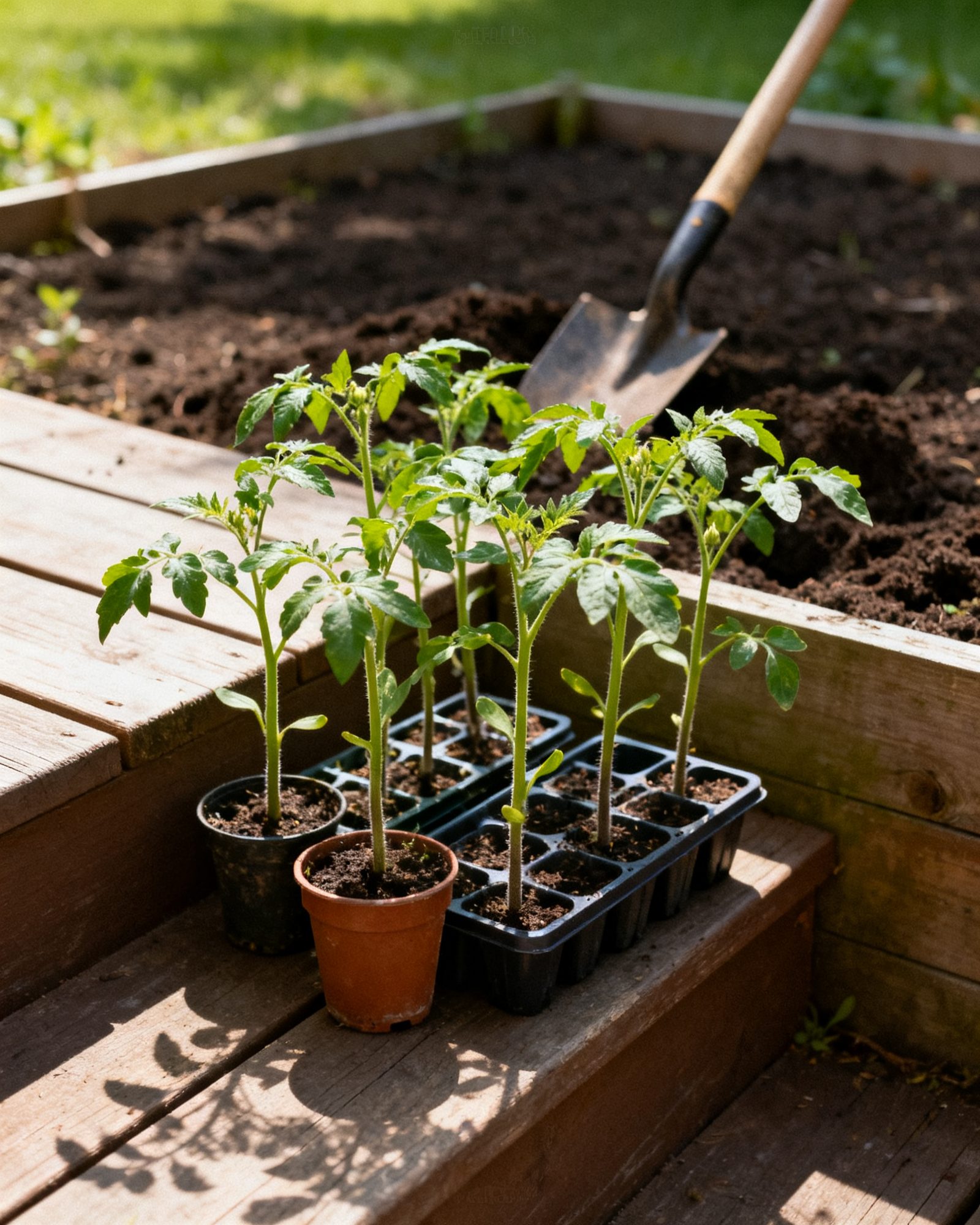
The choice between direct sowing and transplanting comes down to three things: how long the crop needs to reach harvest, how well its roots tolerate being moved, and how warm the soil is when it goes in. Long-season crops such as tomato, pepper and eggplant are started indoors because the growing season is too short to finish them from seed in the garden. Root crops and beans are sown where they will grow because they transplant poorly. Cucurbits, corn and a few others sit in between and can go either way if handled with care. The table below sorts the common vegetables by method, and the sections that follow explain the reasoning and the sequence.
| Crop | Method | Notes |
|---|---|---|
| Tomato, pepper, eggplant | Start indoors | 5–6 weeks (tomato); 8–10 weeks (pepper, eggplant) indoors before planting out; pepper may need 12 weeks |
| Broccoli, cabbage, cauliflower | Start indoors or buy transplants | 4–6 weeks indoors; fall transplants 4–6 weeks from seeding |
| Lettuce, kale, other greens | Start indoors or direct sow | 2–4 weeks indoors; direct sow once soil is workable |
| Cucumber, squash, melon | Either, with care | 3–5 weeks indoors; direct sow after frost when soil has warmed; disturb roots as little as possible |
| Corn, beans | Direct sow | Do not do well as transplants; can be grown 2–4 weeks as transplants without potting up if needed |
| Carrot, radish, pea | Direct sow | Root crops resent moving; germinate in soil above 40°F |
| Beet, spinach | Direct sow or start in cells | Germinate in soil above 40°F; Maryland gives cell sizes for both |
| Potato, garlic, sweet potato, asparagus, rhubarb, horseradish | Plant parts | Started from tubers, cloves, slips or crowns, not from seed indoors |
Why long-season crops start indoors
A tomato needs 65 to 90 days from transplant to maturity, and a pepper most types 70 to 85 days. Those counts start at transplanting; both are very tender, and seed sown outdoors would have to wait for warm soil and then add the weeks a transplant spends indoors, so harvest would come much later. Maryland Extension gives tomato 5 to 6 weeks indoors before planting out and pepper and eggplant 8 to 10 weeks, with some pepper types needing 12 weeks. Start too early and you get tall, root-bound plants that do poorly in the garden, a common mistake Maryland Extension warns against.
The indoor period is not a race. A stocky tomato transplant about as wide as it is tall, with deep green leaves and white fibrous roots, is what you want on planting day. Overgrown, woody plants with circling roots are best avoided.
Why root crops and beans are sown direct
Carrots and radishes are grown for a root that suffers when moved. Beans and corn also dislike transplanting; Clemson Extension lists beans, corn and carrots among crops that do not do well as transplants and should be sown directly in the garden. Carrot and radish seed germinates in soil above 40°F and bean and corn seed once the soil has warmed, so there is little to gain from starting them inside.
Direct sowing also avoids the hardening-off step entirely. The seedling emerges into the conditions it will grow in, with no adjustment from indoor light and warmth.
Soil temperature for direct sowing
Seed will not germinate in soil that is too cold, no matter how early you sow. Most warm-season vegetable seeds, including beans, squash and cucumbers, will not germinate in soil below 50°F. Lettuce, pea, radish, carrot, beet and spinach germinate in soil above 40°F. Soil over 85°F is usually a problem only for spinach and lettuce seed. Corn and bean seed rot in cold, wet soil, so waiting for warmth is better than sowing early into mud.
If seed fails to come up, the cause is often cold soil, crusting, or seed planted too deep. A simple germination test on leftover seed, and a review of the common causes, is covered in seeds not germinating? Common causes and a germination test.
The in-between crops: cucurbits and corn
Cucumber, squash and melon can be started indoors 3 to 5 weeks before planting out, or direct sown after frost when the soil has warmed. Maryland Extension notes they can be grown for 2 to 4 weeks as transplants without potting up: sow two or three seeds per cell and keep the strongest. The risk is root disturbance; cucumbers and melons in particular resent it. Handle the root ball gently and set plants out before they become root-bound. More detail on timing and handling is in cucumber, squash and melon seedlings: start late, handle gently.
Corn and beans can be grown as short-term transplants if a gap in the weather demands it, but direct sowing is the simpler route. Clemson Extension advises direct sowing for both.
Crops grown from plant parts, not seed
Potatoes, garlic, sweet potatoes, asparagus, rhubarb and horseradish are not started from seed indoors. They are grown from tubers, cloves, slips or crowns. These are planted directly in the garden at the right season, and the timing depends on the crop and the local climate rather than on a countdown from the last frost.
Hardening off before transplanting
Any plant raised indoors should be hardened off before it goes into the garden. Hardening off gradually adapts plants to sun, wind and cold. Maryland Extension describes a 5- to 14-day period depending on the crop, beginning 1 to 2 weeks before planting out. Clemson Extension suggests starting once plants are about three inches tall and continuing for two to three weeks.
The method is the same either way: start in a shaded, wind-protected spot for part of the day, increase sun by an hour or two each day, and water less often but never let plants wilt. Do not put tender seedlings out on windy days or below 45°F. Bring cool-season crops such as lettuce and cabbage in if a freeze is forecast, and warm-season crops such as tomato and pepper in if the night will drop below 50°F. Cucumbers and melons stop growing if hardened too severely and can stay out overnight only if it will not fall below 50°F.
Hardening off matters most for cabbage, broccoli and cauliflower; it matters less for warm-season transplants set out after all danger of frost into soil above 60°F. Overdoing it harms some crops: cauliflower can form thumb-sized heads and stop.
Planting day: the sequence
Choose a cloudy, calm day. Water the plants several hours before digging. Dig a hole large enough for the root mass, firm the soil, and water in with a weak liquid fertilizer at label dilution. Shade and shelter new transplants for a few days with baskets, pots or floating row cover. The full sequence, including biodegradable pots and depth for tomatoes, is in transplanting seedlings into the garden.
A few crop-specific limits are worth repeating. Peppers set out before the soil reaches 65°F just sit there. Tomatoes should not have the root ball set deep into cold soil. Broccoli transplants go out four weeks before the last spring frost date, but temperatures below 45°F can stop heading or cause bolting.
What goes wrong
The most common mistakes with direct sowing and transplanting are predictable.
- Transplanting carrots and other root crops. The taproot is damaged, and the result is forked or stunted roots. Sow them where they will grow.
- Sowing warm-season seed into cold soil. Beans, squash and cucumbers will not germinate below 50°F, and corn and bean seed rot in cold, wet soil. Wait until the soil has warmed.
- Starting seed too early indoors. Tall, root-bound plants do poorly after transplanting. Follow the weeks-before-frost figures for each crop.
- Skipping hardening off. Plants go from indoor light and warmth to full sun and wind and are set back or killed. Follow the gradual schedule.
- Leaving seedlings crowded in the flat. Pot them up shortly after the first true leaves appear, or 2 to 3 weeks after germination for tomato, pepper and eggplant started one per cell.
- Setting out tender crops too early. Watch the forecast, not just the average last frost date. In one year out of two the last freeze comes later than the 50% date.
- Planting too close. Follow seed-packet spacing; squeezing plants closer causes disease and lowers yield.
A final check before planting day: good transplants are stocky with deep green leaves and white, fibrous roots. Avoid overgrown, woody plants with a thick mat of circling roots, and check for pests. If you buy plants, inspect the roots and leaves before you bring them home.
Common questions
Which vegetables should I direct sow rather than transplant?
Carrots, radishes, peas, beans and corn are usually direct sown. Clemson Extension lists beans, corn and carrots among crops that do not do well as transplants, and carrots and radishes are grown for a root that suffers when moved. Peas, radishes and carrots germinate in soil above 40°F, so they can be sown outdoors early. Beets and spinach can go either way; Maryland Extension gives cell sizes for both.
Can I start cucumbers and squash indoors?
Yes, but start them only 3 to 5 weeks before planting out and handle the roots gently. Maryland Extension notes they can be grown for 2 to 4 weeks as transplants without potting up. Set them out before they become root-bound, and harden them off carefully because cucumbers and melons stop growing if hardened too severely.
What soil temperature do I need for direct sowing?
Most warm-season seeds, including beans, squash and cucumbers, will not germinate below 50°F. Lettuce, pea, radish, carrot, beet and spinach germinate in soil above 40°F. Corn and bean seed rot in cold, wet soil, so wait until the soil has warmed rather than sowing early.
How long does hardening off take?
Maryland Extension describes a 5- to 14-day period depending on the crop, beginning 1 to 2 weeks before planting out. Clemson Extension suggests starting once plants are about three inches tall and continuing for two to three weeks. Start in shade and increase sun by an hour or two each day.
Why did my transplants sit there and not grow after planting?
Cold soil is a common cause. Peppers set out before the soil reaches 65°F just sit there, and tomatoes set into cold soil are slow to establish. Overgrown, stressed transplants also grow slowly. Wait for warm soil and choose stocky plants with white, fibrous roots.
Read next
How to Choose Healthy Vegetable Transplants
Learn how to choose healthy transplants: stocky stems, deep green leaves, white roots, no pests. Avoid root-bound or flowering plants and hold them properly.
Hardening Off Seedlings: A Gradual Move to the Garden
Hardening off takes 5 to 14 days by Maryland Extension or two to three weeks by Clemson. Learn the schedule, temperature limits and mistakes to avoid.
Protecting Transplants from Frost and Cold Nights
How to protect newly planted transplants from late frost and cold nights: row cover, cloches, cold frames, soil warming, and the mistakes that set plants back.